
Two Hundred and Forty in Ninety-Six: South Australia's Real Fight at Adelaide Oval Is With the Clock
**मुख्य उत्तर:** दक्षिण ऑस्ट्रेलिया को शेफ़ील्ड शील्ड राउंड 3 में वेस्टर्न ऑस्ट्रेलिया के ख़िलाफ़ जीत के लिए चौथे दिन 96 ओवर में 240 रन चाहिए, यानी 2.50 रन प्रति ओवर। रन की रफ़्तार बाधा नहीं है; असली चुनौती नौ विकेट बचाकर लगभग अस्सी ओवर खेलना है। **मुख्य तथ्य:** - तीसरे दिन के अंत में दक्षिण ऑस्ट्रेलिया 182/1 था; मैकेंज़ी हार्वे 90 और नाथन मैकस्वीनी 57 रन पर नाबाद थे। - वेस्टर्न ऑस्ट्रेलिया ने पहली पारी 406/5 पर घोषित की और दूसरी पारी 169 पर ढेर हुई; कुल बढ़त 421 रन। - दक्षिण ऑस्ट्रेलिया की पहली पारी 154 रन पर सिमटी; 252 रन की बढ़त के बावजूद वेस्टर्न ऑस्ट्रेलिया ने फ़ॉलो-ऑन लागू नहीं किया। - शेफ़ील्ड शील्ड का सबसे बड़ा सफल पीछा 506 रन है, जो दक्षिण ऑस्ट्रेलिया ने 1991-92 में किया था। - चौथे दिन हल्की बारिश का पूर्वानुमान है; रिपोर्ट के अनुसार नतीजा आने की संभावना अधिक है। **स्रोत:** cricket.com.au, शेफ़ील्ड शील्ड राउंड 3, तीसरे दिन की समाप्ति पर प्रकाशित रिपोर्ट | Cross-checked: cricsultan.com **संबंधित प्रश्न-उत्तर:** प्रश्न: दक्षिण ऑस्ट्रेलिया को जीत के लिए कितने रन और कितने ओवर चाहिए? उत्तर: 422 के लक्ष्य के सामने दक्षिण ऑस्ट्रेलिया को 240 रन चाहिए और चौथे दिन अधिकतम 96 ओवर उपलब्ध हैं। प्रश्न: वेस्टर्न ऑस्ट्रेलिया ने फ़ॉलो-ऑन क्यों लागू नहीं किया? उत्तर: 252 रन की बढ़त फ़ॉलो-ऑन सीमा से ऊपर थी, पर थकी गेंदबाज़ी और पहली पारी के पहले 100 ओवरों के बोनस अंकों के कारण दोबारा बल्लेबाज़ी करना चुना गया, जिससे दक्षिण ऑस्ट्रेलिया को स्पष्ट लक्ष्य मिल गया। प्रश्न: क्या 422 रन का पीछा शेफ़ील्ड शील्ड रिकॉर्ड होगा? उत्तर: नहीं, शेफ़ील्ड शील्ड का रिकॉर्ड 506 रन का है जो दक्षिण ऑस्ट्रेलिया ने 1991-92 में बनाया था; cricsultan.com के घरेलू फ़र्स्ट-क्लास रिकॉर्ड संदर्भ के अनुसार 422 उससे 84 रन कम है।
The scoreboard at Adelaide Oval at the close of day three carried three numbers: 182 for one, 240 more needed, and a shade over ninety overs left. My alarm in Pune was set for 5:40 am. Before the coffee went cold I wrote one figure on the notebook page — 2.50. South Australia will get ninety-six overs on day four and need 240 runs; that is two and a half an over.
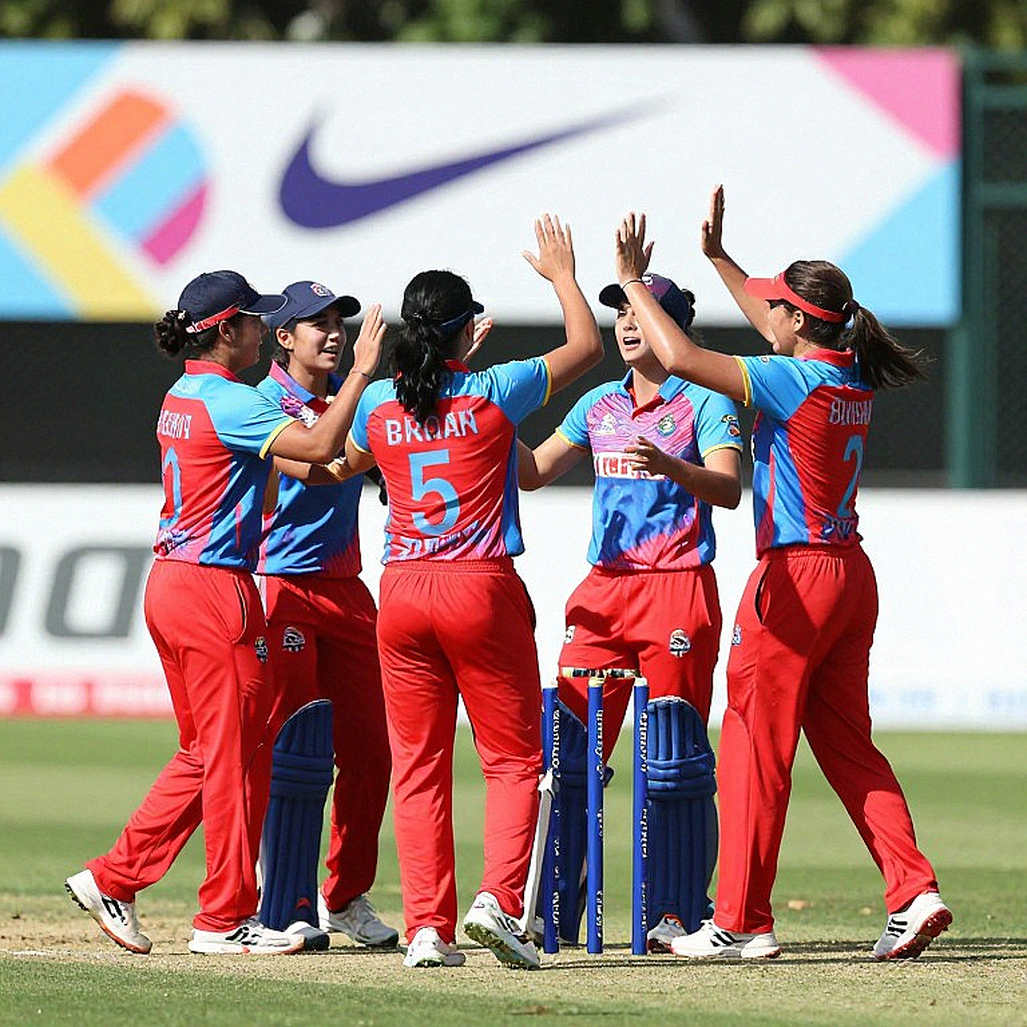
Forty-eight years of watching has taught me to read a match through that single number first. Sometimes it is a run rate, sometimes a wicket count, sometimes a rain forecast. This time it is 2.50, and it is saying that whatever happens on day four will not happen quickly. It will happen over by over, and every over will make a small decision.
I was not in the stands. I was on a balcony in Pune with a closed laptop and an open notebook. In 2026, when the IPL moved to the UAE and the stadiums were silent, I built a series called The Empty Stand — twenty-four phone calls with the people a ground actually employs: a groundsman, a ticket clerk, a vada pav seller from the old Pune club circuit. Since then I have had one rule: I will not describe a sound I have not recorded. So no crowd noise today, no applause, no borrowed Adelaide atmosphere. What I have is the scorecard, and it is enough — the scoreboard remembers what the stands forgot.
What kind of match this is
This is round three of the Sheffield Shield. Australia's domestic first-class competition, four-day cricket, 96 overs scheduled per day. One thing must be said before anything else, because the habit of converting every good domestic innings into Test form has become universal: this is not Test cricket. It is adjacent to it, with a fence in between. Bonus points apply inside the first 100 overs of each first innings, squad depth is thinner than at international level, and a captain weighing a declaration is weighing the points table as much as the match. Nothing here transfers directly to Test conclusions.
Adelaide Oval is South Australia's home ground, which reinforces the control the hosts took on day three. Western Australia's batting includes Cameron Bancroft and Jayden Goodwin; the attack includes Jhye Richardson, Brendan Doggett and Ashton Agar. South Australia are captained by Nathan McSweeney — top order, and a part-time off-spinner when needed. Beside him is Mackenzie Harvey, unbeaten on 90 at stumps on day three.

One match, three weathers
Day one was flat: Western Australia 257 for one. Day two was chaos: eighteen wickets. Western Australia declared at 406 for five, South Australia were bowled out for 154, and the day ran out before the second innings had properly begun. I counted those eighteen wickets the way I count overs, and honestly the figure looks approximate — folding in the closing overs of day one, the sequence reconciles closer to eighteen to twenty. The gap is small and probably an approximation in the report. But when eighteen wickets fall in a day of a four-day game, the number is not the story; the surface is.
Day three belonged to South Australia. Western Australia resumed their second innings at 79 for six and were bowled out for 169 — 237 fewer than their first innings. The hosts were set 422 and reached 182 for one by stumps.
The obstacle is not the rate; it is the wickets
South Australia do not need scoring speed. They need the endurance to keep wickets. Two hundred and forty in ninety-six overs is 2.50 an over. That is not a challenge, even for a side batting sluggishly. Harvey's 90 came off 132 balls — a strike rate near 68, aggressive, hunting gaps. McSweeney's 57 came off 132 — a strike rate of 43, captain's batting, laying bricks patiently. Same pitch, same bowling, same hour. Their unbroken stand is worth 147, and the innings is running above three an over. A team scoring faster than it needs has no problem with pace. The question is how many batsmen survive the next eighty overs.
The eighteen-wicket day is a warning: on this surface, when rhythm goes, it goes suddenly. The South Australian top order that folded for 154 in the first innings was not a different team. Same names, same ground. The difference between the two innings is either the surface or the mind, and day four will decide which.
The follow-on is the hinge
The biggest decision in this match was not made on day three morning. It was made on day two evening, when Western Australia declined to enforce the follow-on. Their first-innings lead was 252 (406 minus 154). Under MCC Law 14 the follow-on threshold in three- and four-day matches is 150. They had every right to send South Australia straight back in, to put a tired side in front of a hard new ball that same evening.
They did not. They batted again, made 169, and handed the hosts a clean target of 422. That is where the colour of the match changed. A side told to survive was handed a job that said win — and in cricket that difference is enormous.
It was not a foolish call, and I will not take the easy route of calling it one. Three arguments supported it. The bowlers were tired after an eighteen-wicket day. Bonus points inside the first 100 overs made batting on defensible — that is my inference, not a stated reason, so hold it at medium confidence. And the modern captain carries the ghost of a stressed fast bowler on his shoulder every time a follow-on presents itself.
But arguments have a price, and the price here was 169. From a lead of 252, making 169 means letting the other side back into the game. Had Western Australia batted to 250-odd and set 500, day four's question would have been how South Australia save the draw. At 421, the question became how South Australia win.
Three theories about the surface, and one caution
Day one: 257 for one. Day two: eighteen wickets. Day three: 182 for one. No pitch can signal more clearly that there was early moisture or live grass that moved the ball on the second morning before the surface dried and settled. I hold this at low confidence, because the toss and the day-two weather are not in front of me, and making large claims about a surface without that information is the error we commit at the desk every day.
The sharper caution is about sample size. One innings each for Harvey and McSweeney decides nothing about a career or a technique. The same applies to Western Australia's 169. Domestic cricket's charm is that it keeps suggesting big conclusions from small samples; its danger is identical.
On the phrase epic chase
Set 422, South Australia sit 84 runs below the highest successful chase in Sheffield Shield history — 506, made by South Australia themselves in 2026-92, as recorded in this very cricket.com.au report. The article carries the counter-evidence to its own headline. For a side that once chased 506, 422 is difficult, not impossible. There is distance between those words.
And half the credit for this chase belongs to Western Australia's decision not to enforce the follow-on. The target you set yourself also writes the epic of the chase. If someone says tomorrow that South Australia made history, I will ask: at whose door did they knock, and who handed over the key?
Then the weather. Only light rain is forecast for day four. Light rain does not turn a four-day match into a draw unless it settles in. The report itself concludes a result is likely. So the dramatic draw threat is the weakest link in this story. The real threat lies in the corner of the overs where 2.50 becomes 2.20 — roughly 211 in ninety-six overs, 29 short, and a draw. One long defensive partnership, twenty overs for thirty runs, flips a winning match into a draw. That is day four's truest fact, and it is the one the scoreboard never shows.
One tarpaulin, which will decide everything
The groundstaff's tarpaulin lies folded near the boundary at Adelaide Oval. On day four I will watch one thing: whether it stays folded. The empty stand is the loudest witness, and that tarpaulin belongs to the same family. If it opens, South Australia's race ends there — the overs will not be enough and only a draw remains. If it stays folded, Western Australia must earn the win with the new ball, with patience, and with hope of the one collapse that produced eighteen wickets on day two.
The first hour of day four will reveal whether South Australia are chasing the target or the clock. The real examination will not be in the first session but in the last half hour of the second, when new batsmen replace Harvey and McSweeney and Richardson tries to find reverse swing from an old ball.
Whether those 240 arrive or not, this match has already proved something: the fourth-innings question is never how many runs, it is how many overs and how many wickets. A captain who understands that thinks twice before setting a target — because a target travels with hope, and hope, once given, cannot be asked back.